
Trezor.io/Start® — Starting Up Your Device | Trezor®
Trezor.io/start helps you begin with your Trezor wallet, connect your device, manage crypto accounts, review assets, and explore essential setup tools.
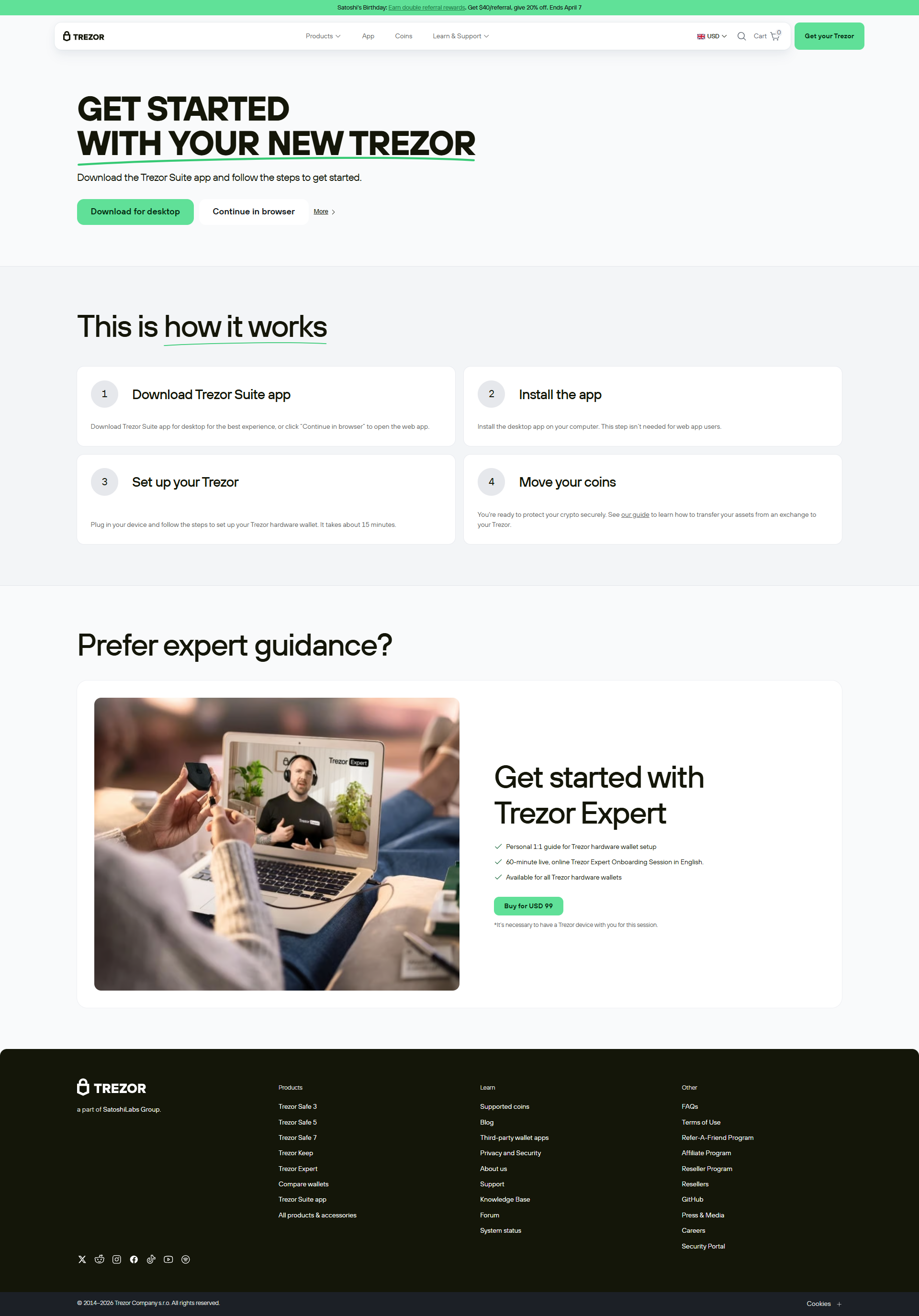
Trezor.io/start: A Simple Guide to Wallet Setup
Setting up a hardware wallet for the first time can feel unfamiliar, especially if you are new to cryptocurrency self-custody. Trezor.io/start is the starting point commonly associated with setting up a Trezor device and learning the basic steps needed before managing digital assets.
Taking a careful approach during setup can help you understand how the device, wallet software, and recovery information work together.
Begin With the Official Setup
When preparing a new Trezor device, start with the official Trezor setup resources rather than relying on random download pages or links shared online. Follow the instructions for your specific device and install the appropriate wallet software when prompted.
The setup process may involve connecting the device, completing security checks, creating or restoring a wallet, and confirming important information on the hardware itself.
What Can You Do With a Trezor Wallet?
Once your device is configured, you can explore the features available for supported cryptocurrencies and services. Depending on your setup, these may include:
- Checking supported crypto balances
- Receiving digital assets
- Sending cryptocurrency
- Managing wallet accounts
- Reviewing transaction activity
- Exploring supported services
- Using Trezor hardware to confirm transactions
Supported assets and features can vary, so check the current information provided by Trezor before using a particular function.
Benefits of Hardware Wallet Setup
A hardware wallet provides a dedicated environment for protecting the private information used to authorize crypto transactions. It also gives users an opportunity to review important transaction details directly on the physical device.
For beginners, following the official setup process can make the transition to self-custody easier to understand while establishing better security habits from the beginning.
Protect Your Recovery Information
Your wallet's recovery information is extremely sensitive. Never share your recovery seed with another person, website, email address, or online support account.
Be especially cautious of messages claiming that your wallet needs to be “verified,” “synchronized,” or “restored” by entering your recovery information online. Unexpected requests for sensitive wallet details should always be treated carefully.
Before confirming a transaction, check the recipient address and amount. If the Trezor device displays the transaction information, review it on the device before approving it.
FAQs
What is Trezor.io/start?
It is a starting point associated with setting up a Trezor hardware wallet and accessing official setup guidance.
Is Trezor.io/start useful for beginners?
Yes. New users can use the setup guidance to understand the initial device configuration and wallet workflow.
Where should I keep my recovery seed?
Keep it private and securely stored offline. Never share it or enter it into an unfamiliar website.
Does a hardware wallet eliminate every crypto risk?
No. Users still need to watch for phishing, scams, incorrect addresses, and malicious transaction requests.
Conclusion
Trezor.io/start can help make the first steps of hardware-wallet setup easier to follow. Start with official resources, carefully configure your device, protect your recovery information, and verify transaction details before approving them.
Building these habits early can make everyday crypto self-custody more organized and secure.
Additional Resources
- Trezor device setup guidance
- Trezor Suite information
- Hardware wallet security resources
- Recovery seed safety guidance
- Crypto transaction verification tips
Trezor.io/start: A Simple Guide to Wallet Setup
Setting up a hardware wallet for the first time can feel unfamiliar, especially if you are new to cryptocurrency self-custody. Trezor.io/start is the starting point commonly associated with setting up a Trezor device and learning the basic steps needed before managing digital assets.
Taking a careful approach during setup can help you understand how the device, wallet software, and recovery information work together.
Begin With the Official Setup
When preparing a new Trezor device, start with the official Trezor setup resources rather than relying on random download pages or links shared online. Follow the instructions for your specific device and install the appropriate wallet software when prompted.
The setup process may involve connecting the device, completing security checks, creating or restoring a wallet, and confirming important information on the hardware itself.
What Can You Do With a Trezor Wallet?
Once your device is configured, you can explore the features available for supported cryptocurrencies and services. Depending on your setup, these may include:
- Checking supported crypto balances
- Receiving digital assets
- Sending cryptocurrency
- Managing wallet accounts
- Reviewing transaction activity
- Exploring supported services
- Using Trezor hardware to confirm transactions
Supported assets and features can vary, so check the current information provided by Trezor before using a particular function.
Benefits of Hardware Wallet Setup
A hardware wallet provides a dedicated environment for protecting the private information used to authorize crypto transactions. It also gives users an opportunity to review important transaction details directly on the physical device.
For beginners, following the official setup process can make the transition to self-custody easier to understand while establishing better security habits from the beginning.
Protect Your Recovery Information
Your wallet's recovery information is extremely sensitive. Never share your recovery seed with another person, website, email address, or online support account.
Be especially cautious of messages claiming that your wallet needs to be “verified,” “synchronized,” or “restored” by entering your recovery information online. Unexpected requests for sensitive wallet details should always be treated carefully.
Before confirming a transaction, check the recipient address and amount. If the Trezor device displays the transaction information, review it on the device before approving it.
FAQs
What is Trezor.io/start?
It is a starting point associated with setting up a Trezor hardware wallet and accessing official setup guidance.
Is Trezor.io/start useful for beginners?
Yes. New users can use the setup guidance to understand the initial device configuration and wallet workflow.
Where should I keep my recovery seed?
Keep it private and securely stored offline. Never share it or enter it into an unfamiliar website.
Does a hardware wallet eliminate every crypto risk?
No. Users still need to watch for phishing, scams, incorrect addresses, and malicious transaction requests.
Conclusion
Trezor.io/start can help make the first steps of hardware-wallet setup easier to follow. Start with official resources, carefully configure your device, protect your recovery information, and verify transaction details before approving them.
Building these habits early can make everyday crypto self-custody more organized and secure.
Additional Resources
- Trezor device setup guidance
- Trezor Suite information
- Hardware wallet security resources
- Recovery seed safety guidance
- Crypto transaction verification tips
Updated about 8 hours ago